


In the world of architecture, lighting is a crucial role that goes beyond practical use. It forms the essence of how we experience spaces, how we feel when we're in it and how we observe the architecture. By cure of carefully placed lights and armatures are not only provided for the necessary clarity, but is also created an atmosphere that strengthens the architectural beauty and enriches.

In lighting your garden, it's important not only to look after esthetic and functionality, but also for durity and safety, especially given the different weather conditions. An essential aspect here is the IP code of lighting. In this blogpost, we'll explain what IP codes are and how you choose the right lights for different areas in your garden.

IP-codes are playing a crucial role in choosing lights for different environments, indicating how well an armor is protected from dust and water.

In the world of interior design and lighting technology, rail systems play a crucial role. These systems provide flexibility and functionality, allowing lighting to be placed in a dynamic way and adjusted. An important consideration in choosing a rail system is the difference between 1 phase and 3-fashioned rail systems.
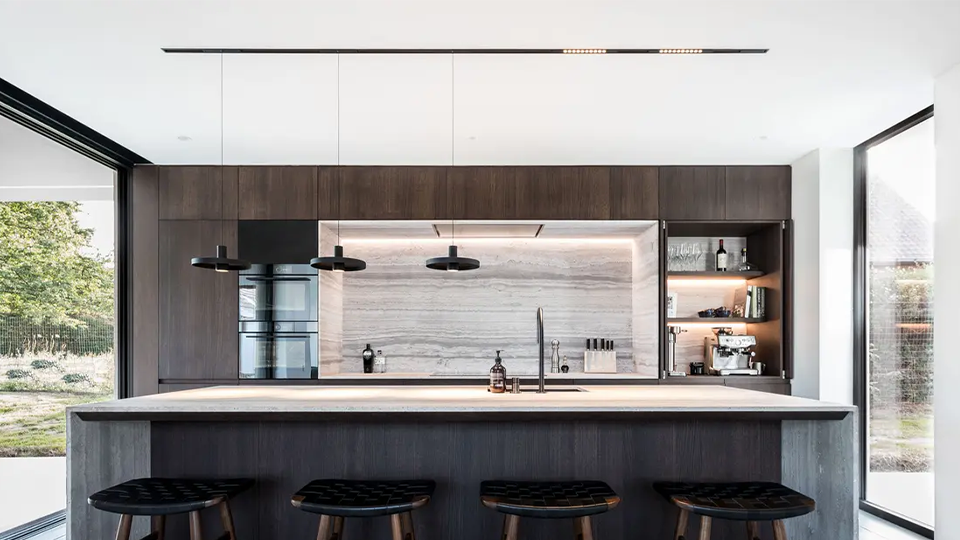
Magnetic rail lighting has become a popular choice for his flexibility and modern appearance in both residence and commercial spaces. If you're considering installing magnetic rail lights, but not sure how to handle this, you're here at the right address.
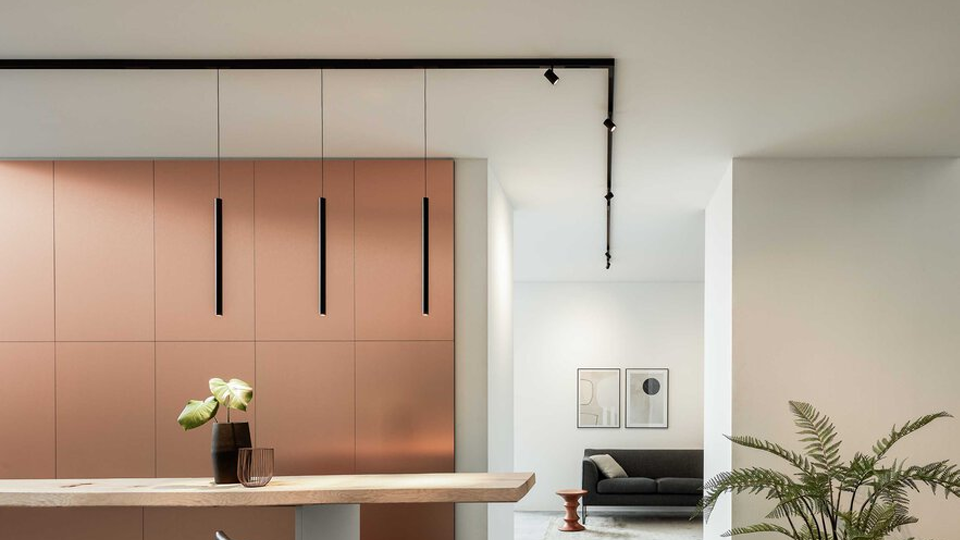
Magnetic rail systems have won a lot of popularity over the last few years because of their wisdom and modern appearance. One of the most asked questions about magnetic rails is how long they can be and if they can make turns.

In the world of modern interior lighting, the popularity of magnetic rails has increased explosively over the last few years. At Light and Shade, we often get the question: "Why are the prices of magnetic rails so sharp?" Click on to find out.